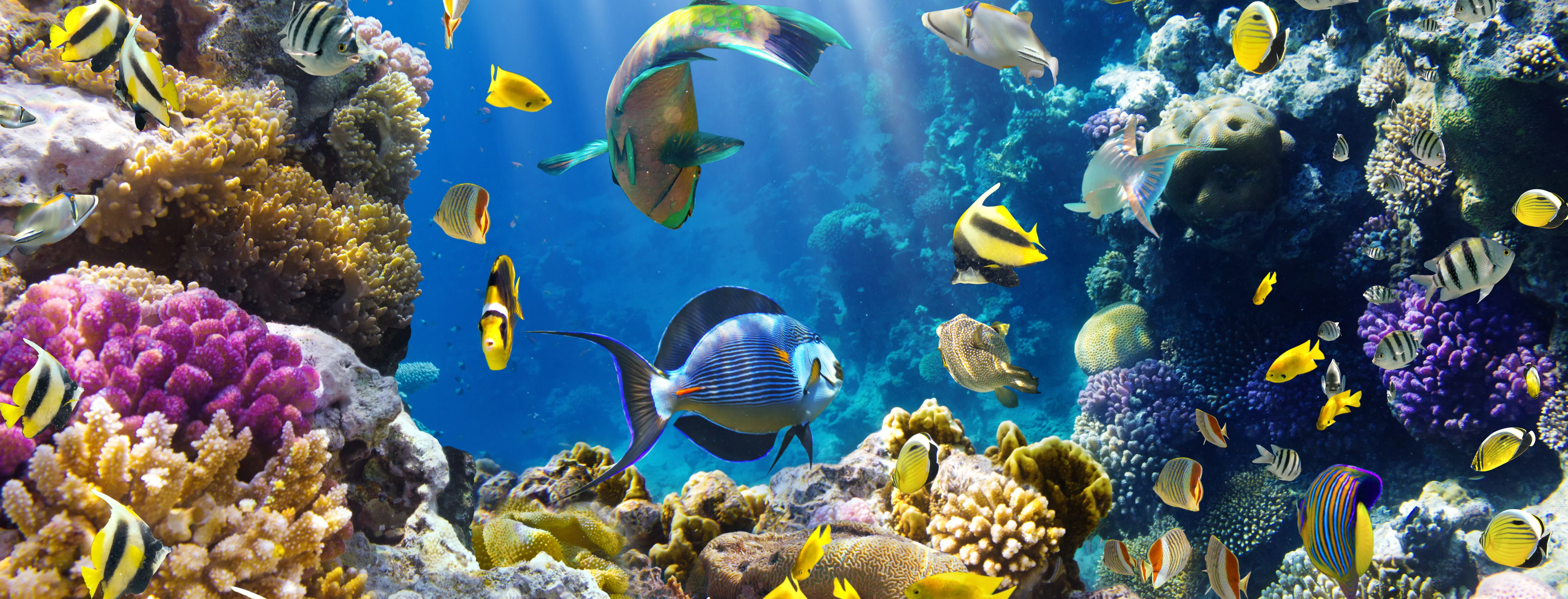
Dive beneath the surface and explore the hidden world that thrives in the planet's deepest waters. From the mysterious depths where light fades to the vibrant coral reefs teeming with color, the ocean is home to countless species — each with a story to tell.
Here, you'll discover fascinating facts about the creatures that inhabit our seas — from the elusive Alger fish that glides through shadowy depths, to the dazzling schools that shimmer near the surface. Learn about their habitats, behaviors, and the delicate balance that keeps our marine ecosystems alive.
The ocean is vast, powerful, and full of wonder. Let's explore its secrets together!
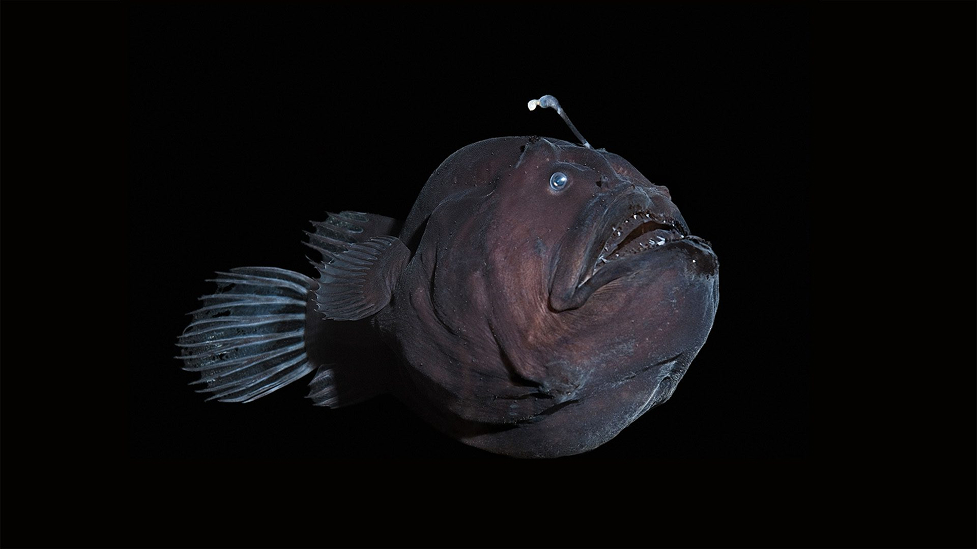
Angler Fish
Habitat:Diverse oceanic
Habitats: sea floor; coral reefs; open waters
Location: Worldwide, with some species found in specific localities
Lifespan: 25 to 30 years for females, up to 21 years for males
Size: Females of different species can grow from 18 to 100cm long. Males are much smaller
Weight:Up to 50kg
Color:Dark grey to dark brown
Diet: Carnivorous, feeding on small fish and crustaceans
Predators: Humans
Top Speed: Slow swimmers
No. of Species: 200-300
Conservation Status: Common species are of Least Concern, rarer species Threatened
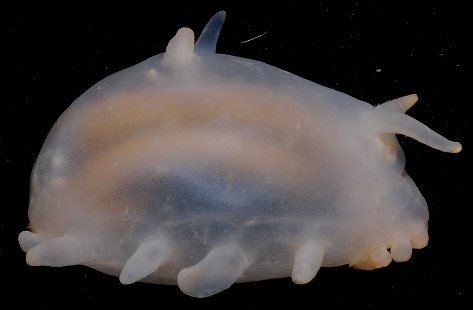
Sea Pig
Common Name:Sea pig
Scientific Name: Scotoplanes
Average Lifespan in the Wild:Unknown
Current Population: Unknown
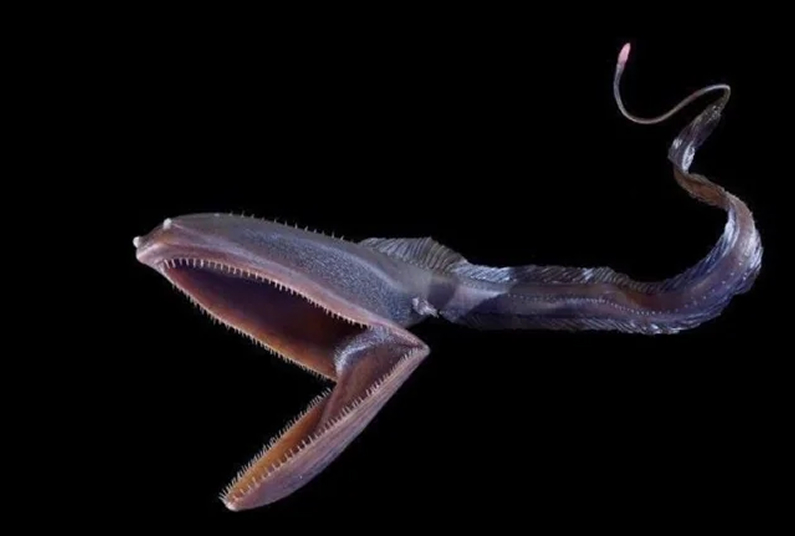
Gulber Eel
Common NamePelican eel
Scientific Name: Eurypharynx pelicanoides
Other Names: Gulper eel, pelican gulper, umbrella-mouth gulpe
Size About one meter (3.3 feet)
Discovery: Léon Louis Vaillant, 1882
Eats: Small crustaceans, squid and seaweed
Eats how? Large mouth acts like a net to scoop up large prey—or large amounts of small prey
Eaten by? Lancetfish and other deep-sea predators
Bioluminescence Yes, flashes pink or red from the tip of its tail
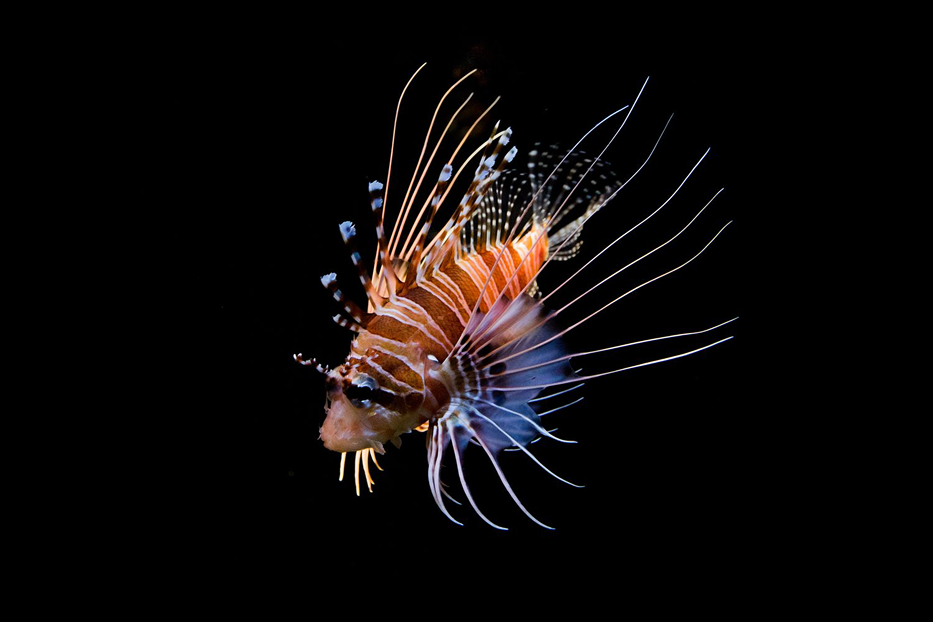
Scorpian Fish
1.Scorpionfish have extremely potent venom in their sharp spines, making them one of the most poisonous animals in the ocean.
Scorpionfish tend to live near the surface but can be found up to 2,625 feet (800 m) deep.
Scorpionfish are about 8 inches (20 cm) long on average , but some species can grow to a maximum length of 20 inches (50 cm).
4.Scorpionfish blend in perfectly with their coral and rocky surroundings because of their mottled color patterns.
5.Scorpionfish are solitary and only congregate for mating.
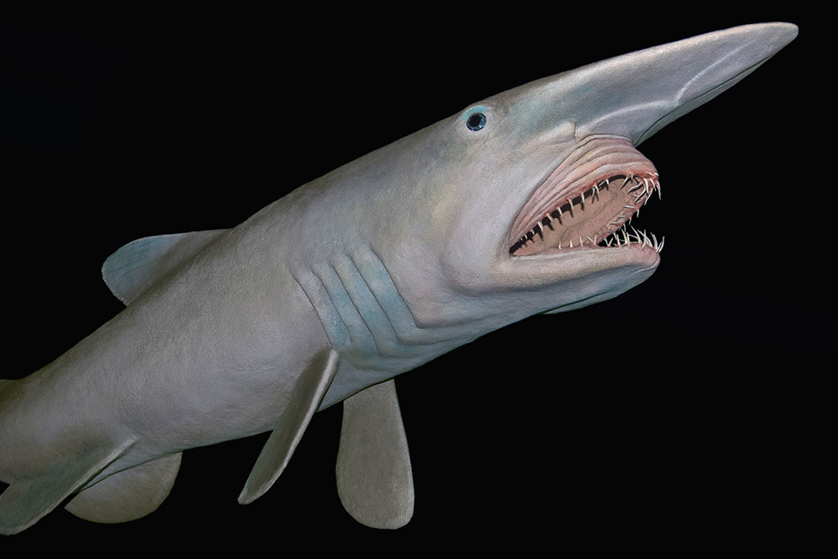
Shark
Habitat:Deep-sea
Location:Atlantic, Pacific & Indian Oceans. But most commonly found off the coasts of Japan.
Lifespan:30 35 Years
Size:9.8 20 ft (3 to 6 m)
Weight:330 460 pounds (150 210 kg)
Color:Pink, tan and almost white grey
Diet:Fish, such as rattails and dragonfishes as well as cephalopods and crustaceans.
Predators:Other sharks (like the blue shark)
Top Speed:20 kph (15 mph)
No. of Species: 1
Conservation Status: Least concern
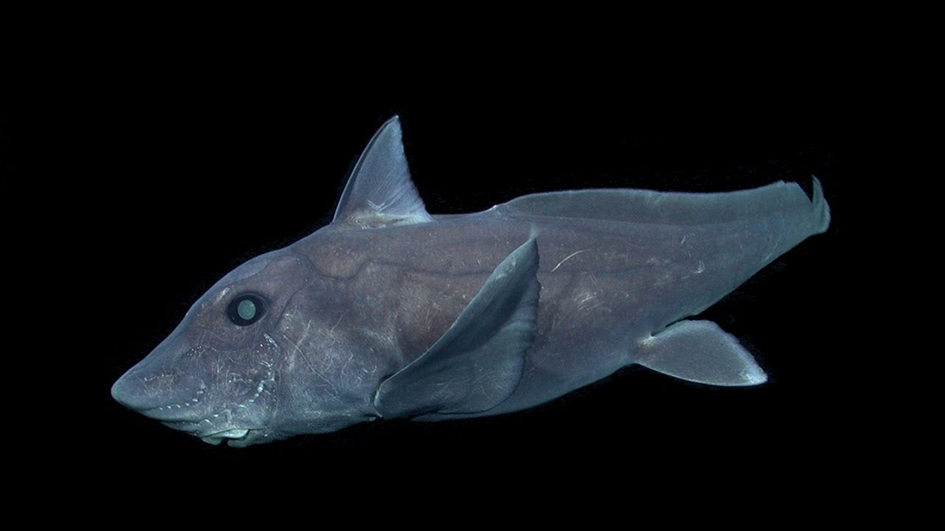
Ghost Shark
Habitat:Ocean floors, from 200 to 2600 metres deep
Location:Oceans worldwide except the Arctic and Antarctic Oceans
Lifespan:30 years
Size:60-200cms long
Weight:4kg
Color:Variable, with shades of black, pale and blue-grey dependant on species
Diet:Benthic invertebrates including crabs, shellfish, sea urchins and octopus
Predators:Larger fish, sharks and seals
Top Speed:2kph (1.5mph)
No. of Species: 16 Conservation
Status: Silver chimaera and Rabbitfish are listed as Vulnerable. The remaining species are listed as Least Concern, but many are reported to be declining
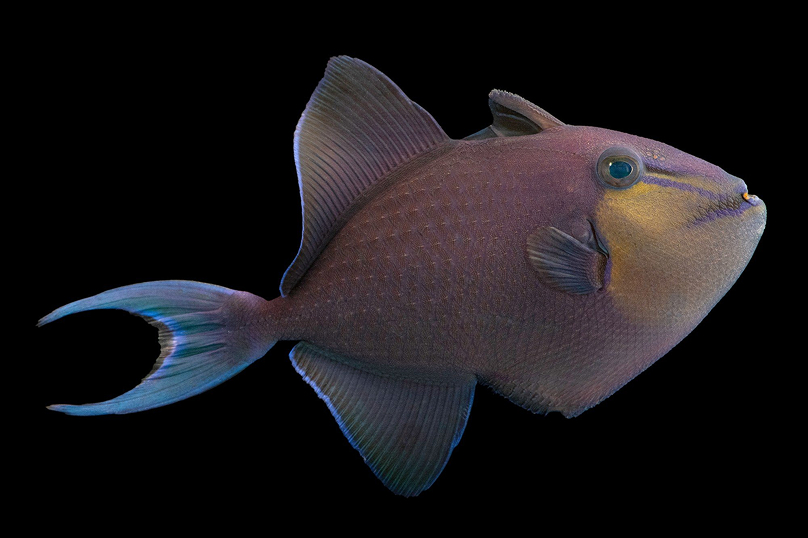
Tooth Trigger
Scientific Name:Odonus niger
Other Names:Red tooth triggerfish, Red fang triggerfish, Blue triggerfish
Safe:No
Lifespan:10 years
Size:12 inches
Care:Easy as long as they have enough space to swim
Diet:Carnivore
Water Conditions:72 to 82°F, 8.1 to 8.4 pH, 8 to 12 dKH, 1.020 to 1.025
Behavior:Aggressive
Breeding Difficulty:High
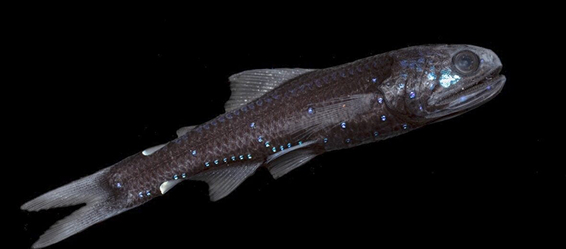
Lantern Fish
Common Name: Lantern fish
Scientific Name: Varies: group is represented by more than 245 species
Size: Range from about 2 to 30 cm (0.8 to 11.8 inches) in length, with most being under 15 cm (5.9 in).
Discovery: T. N. Gill, 1893
Eats what? Zooplankton
Eats how? Migrates to the surface waters at night to feed
Is eaten by? Tuna, sharks, other deep-sea fish (including other lanternfish); whales, dolphins, salmon, penguins, jumbo squid
Bioluminescence: Yes: on its sides and face, depending on species.